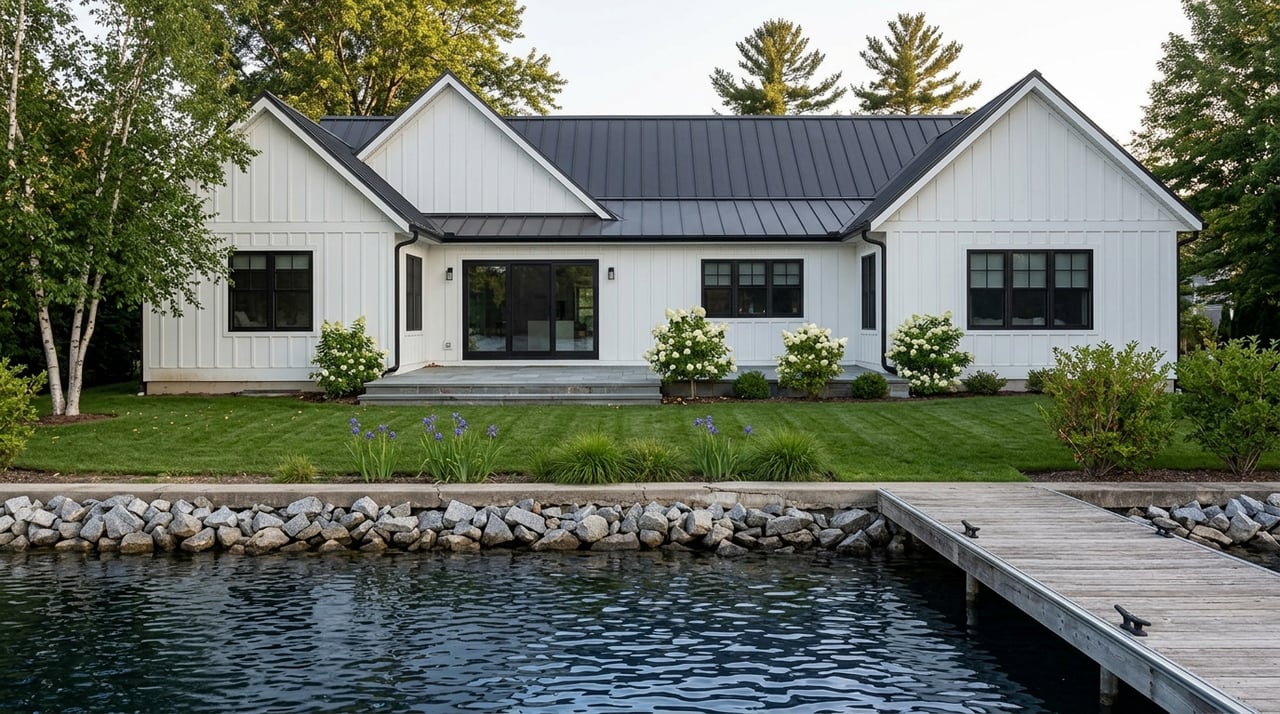
Selling Lakefront Property In Grand Isle County The Smart Way
If you are selling lakefront property in Grand Isle County, a great view alone is not enough. Buyers are drawn to shoreline homes here, but they are also more careful about price, condition, and what actually comes with the waterfront. The good news is that with the right prep, pricing, and marketing, you can make your property stand out and attract serious interest. Let’s dive in.
Selling in 05463 means working with a very small sample size. Isle La Motte has limited zip-level data, with only a handful of homes for sale, so broad assumptions can miss the mark.
That is why county and nearby town comparisons matter. Grand Isle County had a 2025 median single-family sale price of $542,500 and average market time around 59 days in one local market report, while a March 2026 county snapshot showed a median listing price of $594,450, a 98% sale-to-list ratio, and 154 median days on market.
Those numbers tell an important story. Buyers are still active, but they are more deliberate, especially at higher price points. In a lifestyle-driven market shaped by lake access, seasonal use, and long-term ownership, smart pricing and strong presentation matter more than ever.
Prices vary meaningfully across Grand Isle County. Recent county-level data showed median listing prices around $699,000 in South Hero, $592,000 in Grand Isle, and $340,000 in Alburgh.
For a lakefront seller in Isle La Motte, that means you should not rely on broad Vermont averages or a quick online estimate. A well-priced lake property needs to reflect shoreline quality, usable water access, condition, seasonal versus year-round use, and how it compares to the closest relevant properties.
Lakefront value is tied to more than square footage. Buyers are paying attention to what they can actually use and enjoy, including the shoreline, dock setup, views, outdoor living space, and water access.
That makes it important to separate assumed features from verified amenities. A listing that simply says "lakefront" or "dock" is not as strong as one that clearly explains what exists, what is permitted, and what transfers with the property.
In Vermont, lake-related structures and work near the water may be regulated. Lake encroachment permits can apply to docks, walls, boathouses, bridges, dredging, fill, water intakes, and similar improvements in public waters, though some smaller noncommercial docks may be exempt if they meet state limits.
If your property includes a dock, shoreline wall, or other water feature, it is smart to confirm the details before listing. Buyers will want clarity, and verified information can help avoid confusion during negotiations.
Vermont's Shoreland Protection Act regulates development within 250 feet of the mean water level on lakes larger than 10 acres. New development, redevelopment, and clearing in that area may require a permit or registration.
If you are thinking about clearing more view, enlarging a deck, or making other shoreline changes before listing, review the rules first. The Vermont Department of Environmental Conservation recommends applying at least 45 days before planned work starts, and some lake encroachment permits may take about 90 days to process in Region 3.
Buyers love a beautiful waterfront setting, but they also notice whether the shoreline looks cared for and functional. The best updates improve appearance without creating problems.
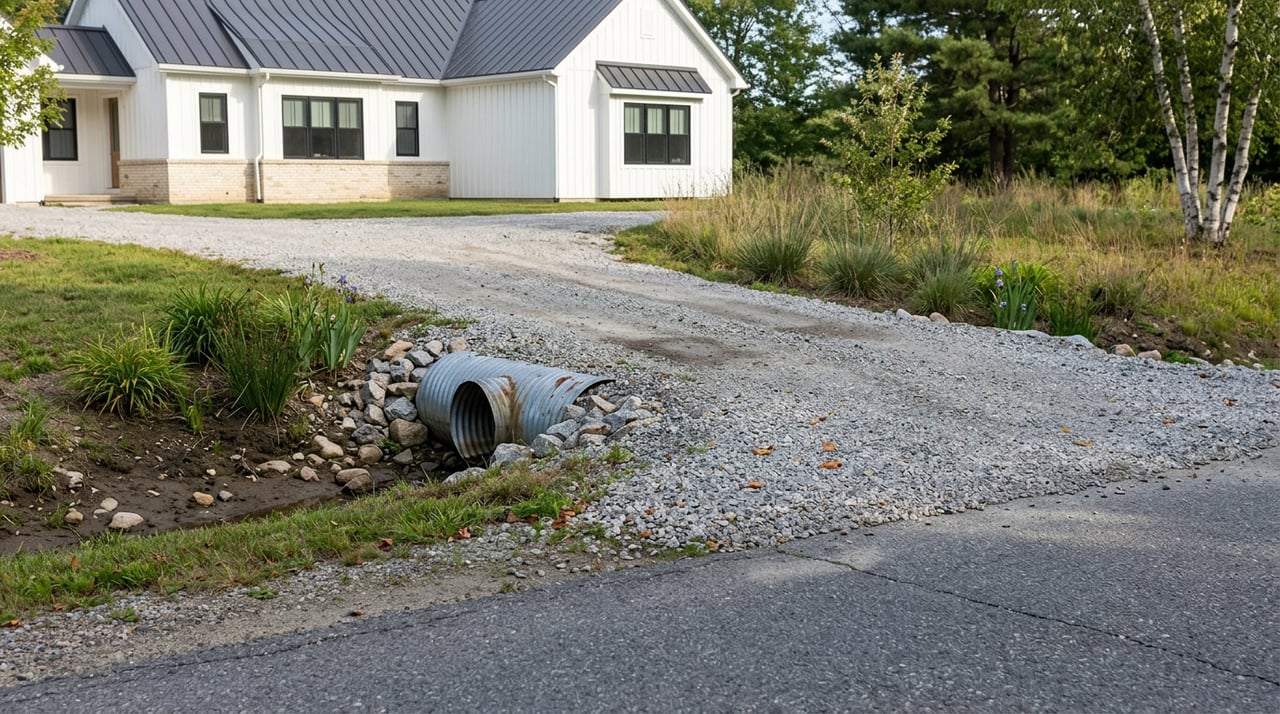
State guidance highlights practical lakeshore improvements such as native plantings, rain gardens, improved paths and driveways, and no-mow areas. These features can support water quality while also helping the property show better from the road and from the water.
A cleaner lake view can help a listing, but overclearing can create issues. Vermont guidance allows selective thinning within 250 feet in ways that support a healthy forested shoreline while improving light and views.
The same guidance notes that removing dead, diseased, unsafe, or noxious plants may not require a permit. Still, before making changes, it is wise to review what is allowed so your pre-listing work helps rather than hurts.
Timing matters with lakefront property because buyers want to see the full experience. If your dock, shoreline, outdoor seating, and water access are hidden by the season, the listing may not create the same impact.
National 2025 timing data points to spring as the strongest selling window, with one report identifying the week of April 13 to 19 as a peak period and another showing May and early June as especially strong. For Grand Isle County lakefront homes, that lines up well with the moment when shoreline features become visible and inviting.
For a seasonal camp, help buyers picture how the property works in the season they care most about. For a year-round home, make sure your listing also clearly shows heating, insulation, access, and everyday functionality.
That balanced presentation matters because some buyers are looking for a summer retreat, while others want a home they can enjoy all year. Clear answers help both groups feel more confident.
Most buyers start their search online. In a 2025 buyer survey, the first step for many buyers was looking online, and 51% found the home they purchased on the internet.
That matters even more for Grand Isle County lakefront homes, where out-of-area buyers may decide whether to visit based on what they see on a screen first. If your digital presentation is weak, you can lose interest before a showing is ever scheduled.
Standard photos are rarely enough for waterfront property. Aerial photography, drone video, and 3D tours help buyers understand shoreline position, privacy, approach, outdoor spaces, and how the home sits on the lot.
Interactive floor plans also help buyers see how rooms connect, which can be especially useful for smaller camps and larger year-round homes alike. When buyers can understand both the property and the setting, they are more likely to take the next step.
Water-oriented search interest has been rising, including searches for lake, dock, river, waterfront, and beach. That means buyers are actively looking for these features, but they also want proof.
Your listing should clearly present what makes the waterfront usable. That could include shoreline access, a visible dock area, outdoor gathering spaces, lake views, and practical details about how the property functions.
The first stretch of time on market is especially important. In a county where inventory is limited but buyers are careful, fresh listings get the most attention when they launch with the right price and polished presentation.
That is why preparation matters so much. If you go live before the shoreline is ready, before permits are clarified, or before your media is strong, you may miss your best wave of buyer traffic.
Before listing a lakefront property in Grand Isle County, focus on these steps:
Selling lakefront property the smart way means combining local pricing discipline, shoreline awareness, and marketing that reaches buyers quickly. In Grand Isle County, where the market is lifestyle-driven and data can be thin, those details make a real difference.
When your property is priced with hyperlocal context, presented with clear and accurate waterfront details, and launched with high-impact media, you put yourself in a much stronger position. That is how you turn interest into showings and showings into serious offers.
If you are thinking about selling and want practical guidance on pricing, prep, and marketing, Sherry Corbeil can help you build a smart plan for your lakefront property.
Stay up to date on the latest real estate trends.

Get assistance in determining current property value, crafting a competitive offer, writing and negotiating a contract, and much more. Contact me today.

116 SWANTON RD SAINT ALBANS VT 05478