Living In St Albans VT: Neighborhoods And Daily Life
Thinking about a move to St. Albans and the 05478 ZIP code? You are not alone. Many buyers look here for classic New England charm, lake access, and a manageable commute. If you want a place with a true downtown, neighborhood variety, and four-season recreation, St. Albans deserves a close look. In this guide, you will learn how daily life works across the City and Town, what neighborhoods feel like, and how to navigate schools, services, and commutes. Let’s dive in.
St. Albans sits in northwestern Vermont along the I-89 corridor and on the eastern shore of Lake Champlain. The area includes two municipalities within ZIP 05478: the City of St. Albans, which centers on a compact, walkable downtown, and the Town of St. Albans, which surrounds the city with more rural and residential settings.
You get a classic four-season climate here. Winters are cold and snowy, and summers are warm and humid. Daily life and commutes shift with the seasons, so you will want good winter tires and a plan for snow days.
Historically, St. Albans has been more affordable than Burlington and broader Chittenden County. That has made it attractive to commuters and families who want value without giving up amenities and regional connections.
The City and Town of St. Albans are neighbors that function separately. Understanding the difference helps you focus your search and budget.
Municipal services and tax rates can differ between the City and Town. If you are comparing properties across the line, review each municipality’s current policies on utilities, trash, water, sewer, and property tax to understand your true carrying costs.
St. Albans offers a mix of historic homes, lakeside living, and newer subdivisions. Here is a quick tour of what you will find.
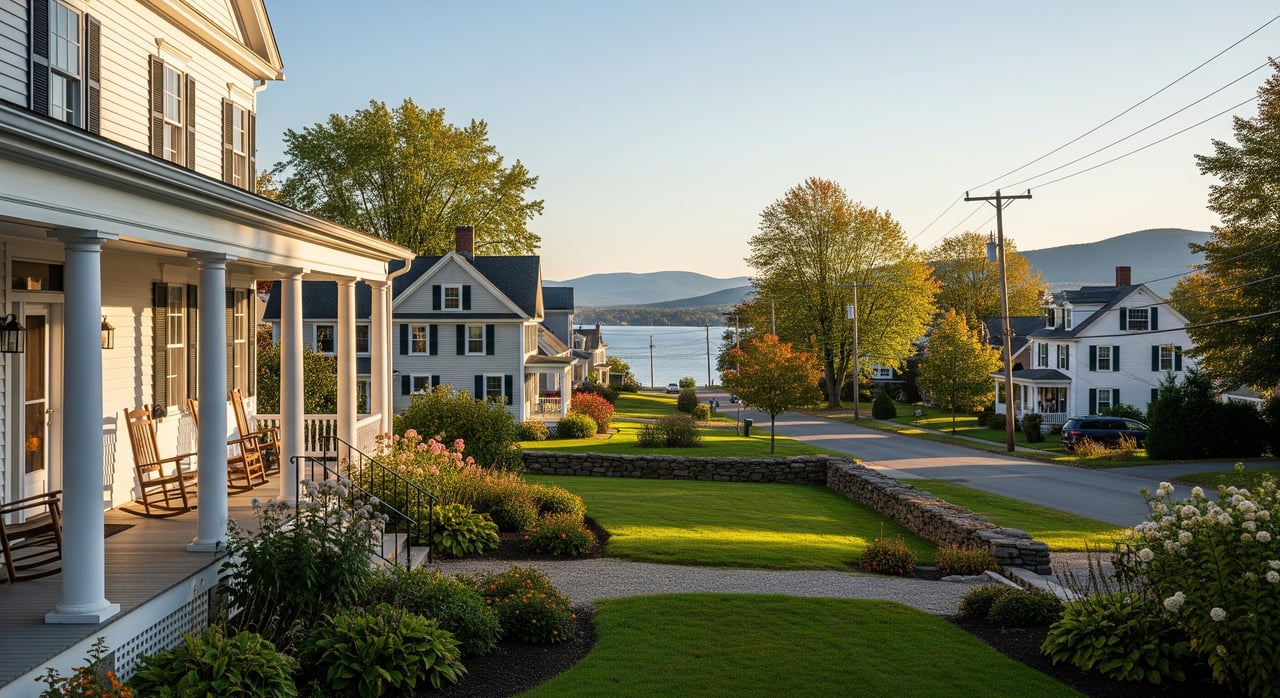
The city’s downtown centers on Main Street, with brick commercial buildings, local shops, restaurants, and municipal services. Residential streets here are walkable and lined with older homes. You will see Victorian-era styles, classic Colonials and Capes, and small multifamily properties. If you want a car-light lifestyle close to dining and errands, start your search here.
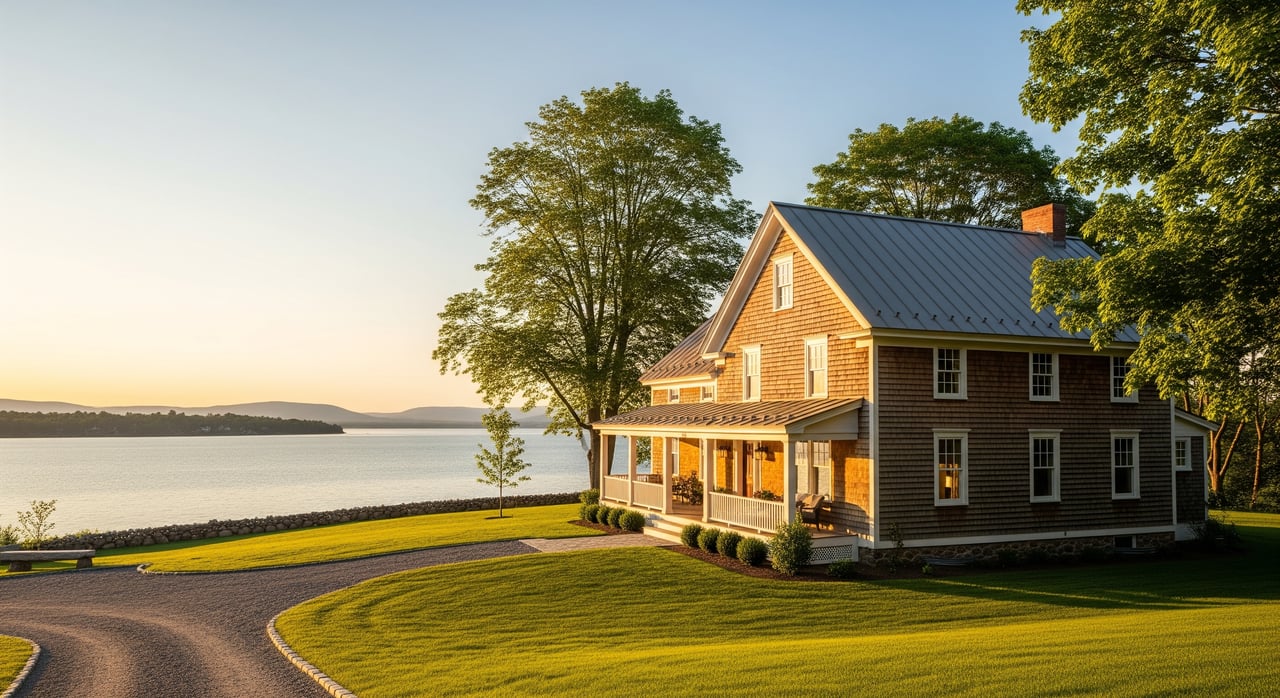
Along Lake Champlain, St. Albans Bay brings water access, marinas, and a mix of year-round homes and seasonal properties. Expect cottages, renovated camps, and single-family homes that lean into lake life. Summer here often means boating, fishing, swimming, and evening walks by the water.
Across both the City and Town, you will find post-war ranches, traditional capes and colonials, and newer construction on modest lots. These neighborhoods offer driveable convenience to schools and shopping, with a residential feel and predictable street layouts. If you value a balance of space and proximity to town, this segment delivers.
Beyond the neighborhoods are open fields, farmsteads, and larger-lot homes. Buyers who want acreage, views, or hobby-farm potential often focus here. Expect more privacy and a stronger connection to the agricultural landscape.
Near key roads and the interstate you will see light industrial and warehouse uses. These areas support local jobs in manufacturing and distribution. They are not primary home-search zones but they do underscore the area’s economic balance.
Everyday living in St. Albans is straightforward. You get local schools, a regional hospital, and a downtown that supports errands, dining, and community life.
Public schools serve both the City and Town through local districts and supervisory unions. The regional high school is Bellows Free Academy (BFA) in St. Albans, which serves students from the area. Elementary and middle school options operate within the City and Town. If schools are part of your decision, review current enrollment and program details through state and district resources.
Northwestern Medical Center is the primary hospital serving Franklin County and St. Albans. You will also find primary care, dental, and specialty practices in and around town. For specialized care, some residents travel to larger regional centers.
Downtown offers independent retailers, services, cafes, and restaurants. Beyond Main Street, you will find regional chains and local grocers. St. Albans also hosts a farmers’ market that draws local vendors and residents during the growing season.
The dining scene blends taverns, family restaurants, and newer eateries, with most choices clustered downtown. Community life stays active year-round. St. Albans is home to the Vermont Maple Festival each spring, plus regular gatherings and local events that bring neighbors together.
St. Albans makes four-season living feel natural. You can spend summer on the water and winter on skis without leaving your zip code for fun.
St. Albans Bay provides access to boating, fishing, and swimming. Marinas and lakeside access points make it easy to launch for a day on the water. Lakeside parks and trails offer space for picnics, walking, and sunset views.
Local rail-trails and conserved lands offer walking and biking options. When the snow arrives, you will see cross-country skiing and snowmobiling across the region. Many residents also head toward the Green Mountains for bigger hikes and ski days when time allows.
Location is one of St. Albans’ strengths. You are positioned for local convenience and regional connections.
Interstate 89 runs north-south and connects St. Albans to Burlington and points beyond. US and state routes branch out to neighboring towns. Commute times can shift with winter weather, so plan for seasonal flexibility and check road conditions when storms roll through.
Regional bus service through Green Mountain Transit provides commuter and local connections within the county and toward Burlington. Amtrak’s Vermonter serves St. Albans as a northern stop on its route to the mid-Atlantic, with a local station in town.
Burlington International Airport is the nearest major airport for most travelers. Many residents drive to BTV for flights and return the same day.
A little planning goes a long way in 05478. Here are the essentials to review during your search.
The City and Town have separate budgets and services, so tax rates can differ. Ask for current property tax estimates on any home you like, and confirm who provides water, sewer, trash, electric, and gas. These details vary by address and can affect your monthly costs.
St. Albans includes lakeshore, river corridors, and low-lying areas that can have seasonal flood risk. Before you make an offer, review flood maps and town or city zoning. If you are considering land or a major renovation, call the planning office early to understand what is allowed.
Broadband availability is generally good near downtown and major roads, and it can be more variable in rural pockets. If reliable internet is essential for work or school, check service options by address before you commit.
Use this quick checklist to focus your search:
If you want small-city convenience with genuine Vermont character, St. Albans checks many boxes. You get a true downtown, neighborhoods across the city and countryside, lake access, and connections that make work and weekend plans easy. When you are ready to tour homes or discuss timing, reach out to Sherry Corbeil for local guidance and a marketing-forward plan that gets you results.
Stay up to date on the latest real estate trends.
Get assistance in determining current property value, crafting a competitive offer, writing and negotiating a contract, and much more. Contact me today.

116 SWANTON RD SAINT ALBANS VT 05478