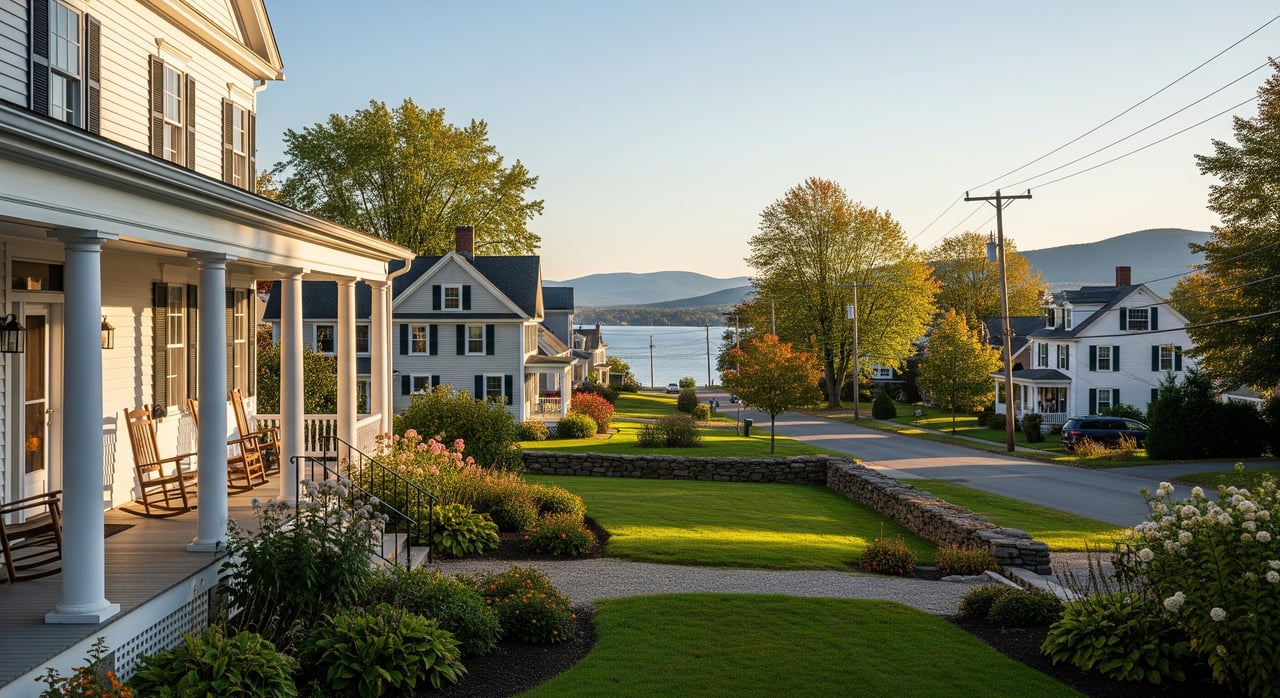
Want more space and value without giving up your Burlington job? You’re not alone. Many buyers are looking north to Franklin County for larger lots, quieter roads, and homes that stretch the budget further. In this guide, you’ll see realistic commute times, town-by-town tradeoffs, and a simple checklist to help you decide if the move fits your life. Let’s dive in.
How the Burlington commute works
If you live in Franklin County and work in Burlington, I‑89 is your main route south. US‑7 and state routes can serve as backups depending on your exact address and where you work in 05401. Off peak, many Franklin County towns are about 25 to 45 minutes from downtown Burlington. In morning rush or winter weather, add 15 to 30 minutes.
Two things matter most: time of day and conditions. Morning southbound traffic from 7 to 9 AM and evening northbound from 4 to 6 PM are busiest. Snow and ice can add substantial time in winter. Road work or an incident on I‑89 also changes the picture.
Public transit is available but limited. Green Mountain Transit runs regional services and some commuter links. Park‑and‑ride lots near the I‑89 corridor support bus riders and carpools. There is no daily commuter rail into Burlington. If you plan to use transit, check current routes, schedules, and lot capacity before you rely on them.
Best Franklin County towns for commuters
Franklin County has a range of options. Here are four popular picks for Burlington commuters, with what you can expect day to day.
Fairfax
- Typical drive: about 20 to 35 minutes to Burlington in normal conditions.
- Why it works: Fairfax sits closer to the Chittenden County line, so commute times tend to be shorter and more consistent than towns farther north. You get a rural to semi‑rural feel and many single‑family homes with modest lots.
- Tradeoffs: Fewer in‑town amenities. You may drive to nearby hubs for groceries and services. Transit and park‑and‑ride options are less dense than in St. Albans, so plan to drive or carpool most days.
St. Albans (City & Town)
- Typical drive: about 30 to 45 minutes to Burlington in normal conditions.
- Why it works: St. Albans is one of the larger population centers in Franklin County and has direct access to I‑89. You’ll find a wider range of housing, from historic homes and condos in the city to larger lots on the town’s outskirts. There are more shops, medical services, and everyday amenities compared with smaller towns.
- Tradeoffs: Depending on your exact address, farther north locations add a bit of time. You’ll also see more through traffic than the most rural towns.
Swanton
- Typical drive: about 35 to 55 minutes to Burlington in normal conditions.
- Why it works: Swanton offers a mix of village settings and rural properties, often at more approachable price points with larger lots. Park‑and‑ride options along I‑89 help if you want to bus or carpool on some days.
- Tradeoffs: It’s a longer commute on average. Weather, seasonal conditions, and route choice can have a bigger impact here, so planning and flexibility matter.
Highgate
- Typical drive: about 35 to 55 minutes, depending on whether you live near Highgate Center or Highgate Springs.
- Why it works: Highgate is very rural, which often means larger lots and a quieter feel. If your priority is space and privacy, it is worth a look.
- Tradeoffs: Fewer nearby amenities, longer average commutes, and winter driving readiness are part of the lifestyle. Transit options are more limited than St. Albans.
What to weigh beyond minutes
Commute time is only one piece. Franklin County living usually means more space and often lower purchase prices than Burlington or close‑in Chittenden County suburbs, but you should plan for some different homeownership realities.
- Wells and septic: Many rural homes use private systems. Build in inspections, a pump test, and water quality testing. Know the age and expected lifespan of components and the cost of replacement.
- Heating and fuel: Oil, propane, wood, or hybrid systems are common. Ask about fuel type, delivery access, insulation, and recent energy upgrades to gauge efficiency.
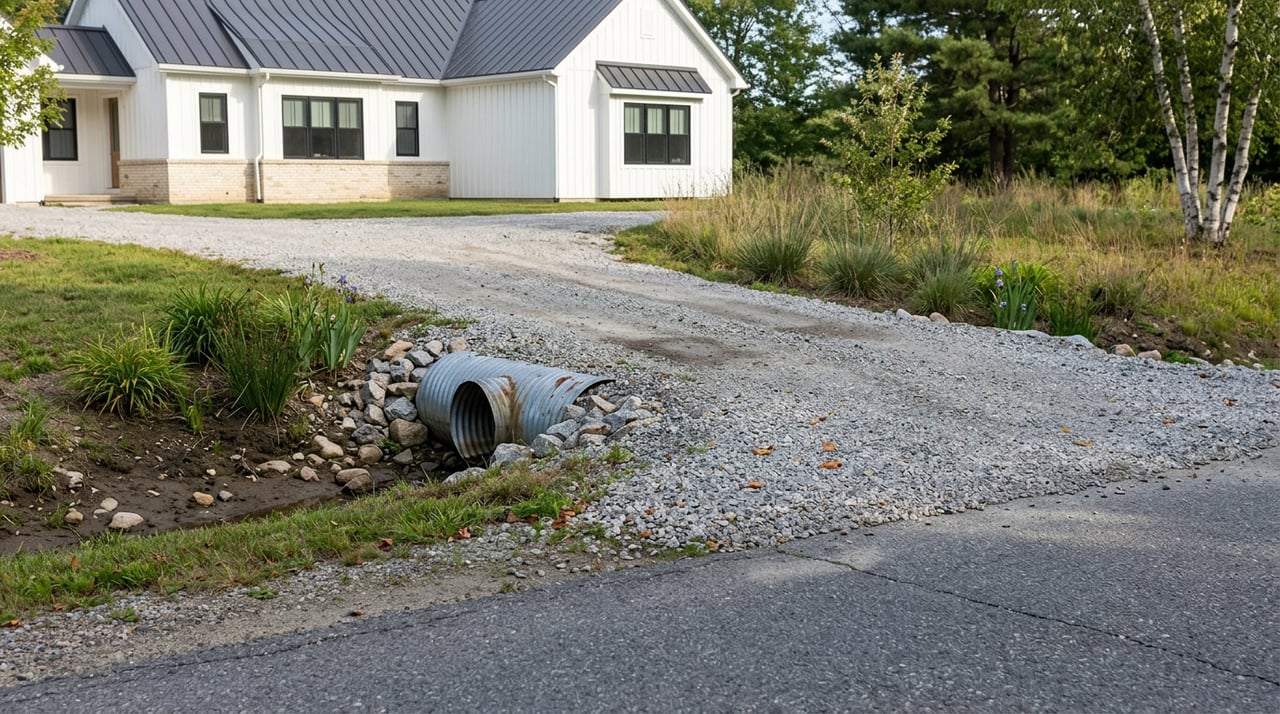
- Driveway and road care: Long or steep driveways increase winter maintenance. Verify whether your road is municipal or private and who is responsible for plowing.
- Broadband: Internet speeds vary by address. Confirm provider availability and real‑world speeds if you plan to work from home.
- Floodplains and wetlands: Some rural or waterfront properties sit in regulated areas. Check zoning, flood maps, and state wetland inventories before you fall in love.
- Property taxes and schools: Each town sets its own tax rates and has its own school district structure. Compare total annual carrying costs and review school information directly on state and local education pages.
- Healthcare and services: Expect to drive farther for specialty care and major shopping in smaller towns. St. Albans has the most concentrated services among the four towns listed.
Smart commuting strategies
You can make a Franklin County commute feel easier with a few practical moves.
- Go hybrid when you can: Many commuters save drive time by working remotely a few days each week. If your employer allows it, plan your home office setup early.
- Shift your hours: Starting a bit earlier or later can help you miss the heaviest traffic windows.
- Use park‑and‑ride strategically: Lots along I‑89 make carpooling and bus options simpler. Check capacity and seasonal schedule changes.
- Be winter ready: Proper tires, an emergency kit, and a time buffer matter when roads are slick. Give yourself extra margin on storm days.
Try before you buy: a commute test plan
Before you write an offer, test your real commute.
- Drive from the property to your workplace during your actual start time. Repeat during peak and off‑peak hours.
- Test multiple routes. Compare I‑89 with US‑7 or state routes based on where you work in Burlington.
- Visit in poor weather if possible. If not, talk to neighbors about winter drive times and road treatment.
- If you plan to use transit or carpool, visit the park‑and‑ride you would use and review current bus schedules.
- Time the full round trip. Note where delays happen and how long they last.
Quick buyer checklist
Use this to size up properties and keep your decision objective.
- Confirm typical commute time ranges from the exact address and test at peak hours.
- Review Green Mountain Transit options and park‑and‑ride capacity if you plan to use them.
- Order well flow and water quality tests. Review septic inspection reports and pump history.
- Inspect the heating system and ask for recent fuel usage and any energy upgrades.
- Verify who maintains the road and driveway. Estimate plowing and sanding costs for winter.
- Check broadband providers at the property address and confirm speeds for video calls.
- Ask for the latest property tax bill. Compare total carrying costs, including heat and winter maintenance.
- Confirm zoning, floodplain status, wetlands, and setbacks with the town.
- For families, verify school district boundaries and bus pickup logistics directly with the district.
- Set a commute contingency plan. Identify remote days, carpool partners, and a backup route.
Also consider nearby towns
A few nearby towns can offer middle‑ground options: Georgia, Milton, and Colchester often provide shorter drives than central Franklin County while still delivering more space than you may find in Burlington. Always verify boundaries, services, tax rates, and school district assignments as part of your comparison.
Ready to compare homes?
If Franklin County fits your goals, you have solid choices. Fairfax often offers the quickest commute. St. Albans brings the widest amenities and housing variety. Swanton and Highgate can unlock larger lots and more space, with longer average drive times. With clear expectations and a smart test plan, you can choose a home that balances value, lifestyle, and a commute you can live with.
If you want local guidance and a process that feels seamless from search to closing, reach out to Sherry Corbeil. As a hyper‑local professional in St. Albans focused on Franklin County and nearby markets, Sherry pairs hometown insight with modern marketing to help you move with confidence.
FAQs
How long is the commute from St. Albans to Burlington?
- In normal conditions, plan for about 30 to 45 minutes, with extra time during peak hours or winter weather.
What are typical Fairfax to Burlington drive times?
- Fairfax is usually about 20 to 35 minutes to downtown Burlington, with timing most affected by rush hour and conditions.
Is there public transit from Franklin County to Burlington?
- Green Mountain Transit offers regional bus services and park‑and‑ride options, but there is no daily commuter rail. Always verify current schedules.
Will I save money moving from Burlington to Franklin County?
- Often you will on purchase price and lot size, but compare total costs that include heating, vehicle expenses, winter maintenance, taxes, and insurance.
What inspections matter most for rural Vermont homes?
- Prioritize well flow and water quality, septic inspection, heating system evaluation, and a review of roof and insulation.
How can I make a longer commute feel manageable?
- Use remote days when possible, shift start times to miss traffic, carpool from park‑and‑ride lots, and prepare your vehicle for winter.
What should I know about schools when relocating to Franklin County?
- School district structures vary by town. Review information on state and local education pages and confirm boundaries and transportation logistics directly.