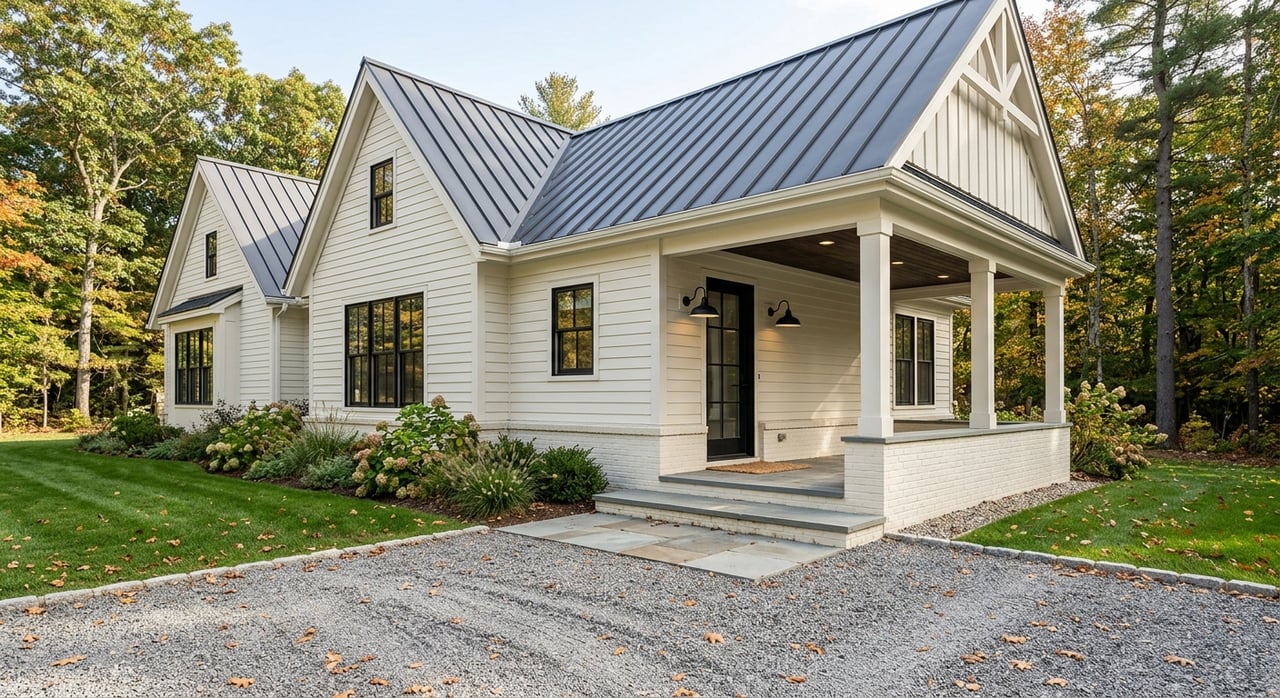
What It’s Like Living In Fairfield VT
If you’re looking for a Vermont town where open land, quiet roads, and a strong sense of community shape everyday life, Fairfield deserves a closer look. You may be wondering whether it feels too remote, too quiet, or just right for the lifestyle you want. This guide will walk you through what day-to-day living in Fairfield is really like, from housing and commuting to recreation and community spaces. Let’s dive in.
Fairfield is a small town in Franklin County in northwestern Vermont, about 30 miles northeast of Burlington. The town describes itself as a rural, agricultural community with a long-term goal of preserving natural landscape, historic features, and small-scale village centers.
That vision shows up in the setting. Fairfield covers 67.3 square miles and has a population of 1,938, which works out to about 28.8 people per square mile. In simple terms, you can expect more open space, fewer dense neighborhoods, and a slower pace than you would find in a suburban market.
One of the biggest things to know about living in Fairfield is how much the land defines the town. According to the town plan, about 60% of Fairfield’s land is farmland, and local planning efforts continue to focus on protecting rural areas and agricultural land.
For you, that can mean wide views, working farmland, wooded stretches, and homes set farther apart. If you value privacy, yard space, and a landscape that feels distinctly Vermont, Fairfield offers that in a meaningful way.
Fairfield’s numbers suggest a community that is steady rather than fast-changing. Census data shows 733 households, a median age of 42.3, and a median household income of $87,019.
Only 7% of residents reported moving within the previous year. That low turnover can point to a town where many people stay put, build routines, and remain connected to the area over time.
In a small town, a few key places often shape daily life, and Fairfield has several of them. Fairfield Center School serves students in grades K through 8 and is located on Park Street in the center of town. The school uses both indoor and outdoor classroom experiences tied to local natural resources.
The Bent Northrop Memorial Library is another important community space. Located on Park Street as well, it offers regular weekday and Saturday hours along with 24/7 access to e-books, audiobooks, and online databases.
These kinds of places matter because they give you more than a service. They create a rhythm for the town, with spaces for learning, gathering, and everyday connection.
Fairfield also has a strong volunteer-driven side. The Fairfield Community Center Association provides social, health, and educational programs for all ages, while the town’s Recreation Committee is led by volunteer residents who help plan and coordinate activities and events.
That setup can make a real difference if you want a town where local involvement is visible. Rather than relying on a large commercial or institutional center, Fairfield’s community life appears to be shaped by residents who take an active role in keeping things going.
If your ideal lifestyle includes simple, local outdoor access, Fairfield has several everyday recreation spots. The town plan highlights a five-acre Recreation Park across from Fairfield Center School, Fairfield Pond Beach, the Chester A. Arthur Walking Path, East Fairfield Town Common, and Fairfield Center Town Common.
This is not the kind of place where recreation needs to be complicated. You have places for walking, seasonal outdoor time, community events, and casual gathering woven into the town itself.
Fairfield works best if you are comfortable driving. Census data shows that 79% of workers drove alone to work, 8% carpooled, 8% worked from home, and 0% used public transportation. The mean travel time to work was 24.3 minutes.
That tells you a lot about how the town functions. Fairfield is more of a rural home base than a walkable job center, and many errands, work trips, and services likely extend into surrounding towns.
Fairfield borders Sheldon, Bakersfield, Fletcher, Fairfax, St. Albans, and Swanton. Its location in Franklin County gives you access to a broader regional network while still living in a quieter setting.
If you like the idea of coming home to open space after spending part of your day elsewhere, Fairfield may feel like a smart fit. You get a rural setting without being completely cut off from nearby communities.
Living in Fairfield means planning around Vermont’s seasons. Climate data for the nearby Burlington area shows early July normal temperatures of about 82 degrees for the high and 62 degrees for the low, and NOAA tracks the region’s seasonal changes in temperature, precipitation, snowfall, and snow depth.
In practical terms, the seasons are part of daily decision-making. Travel, yard care, recreation, and even home maintenance often follow the calendar more closely in a rural Vermont town like this.
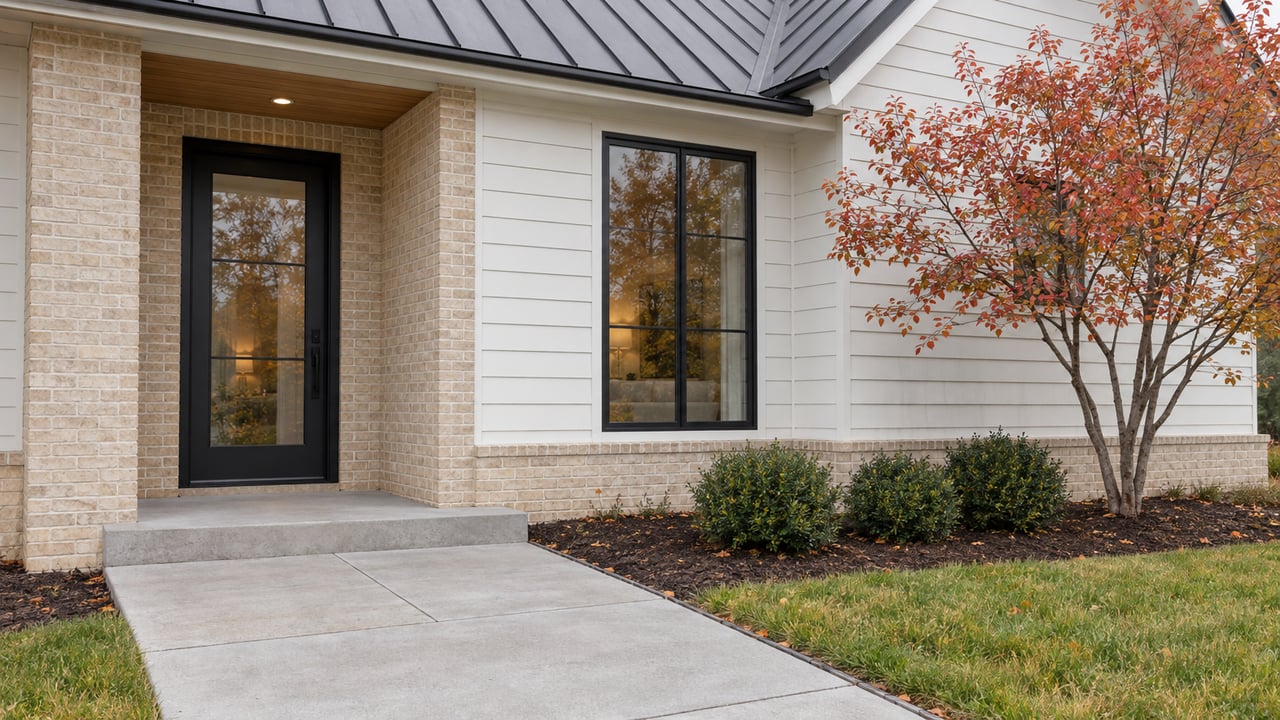
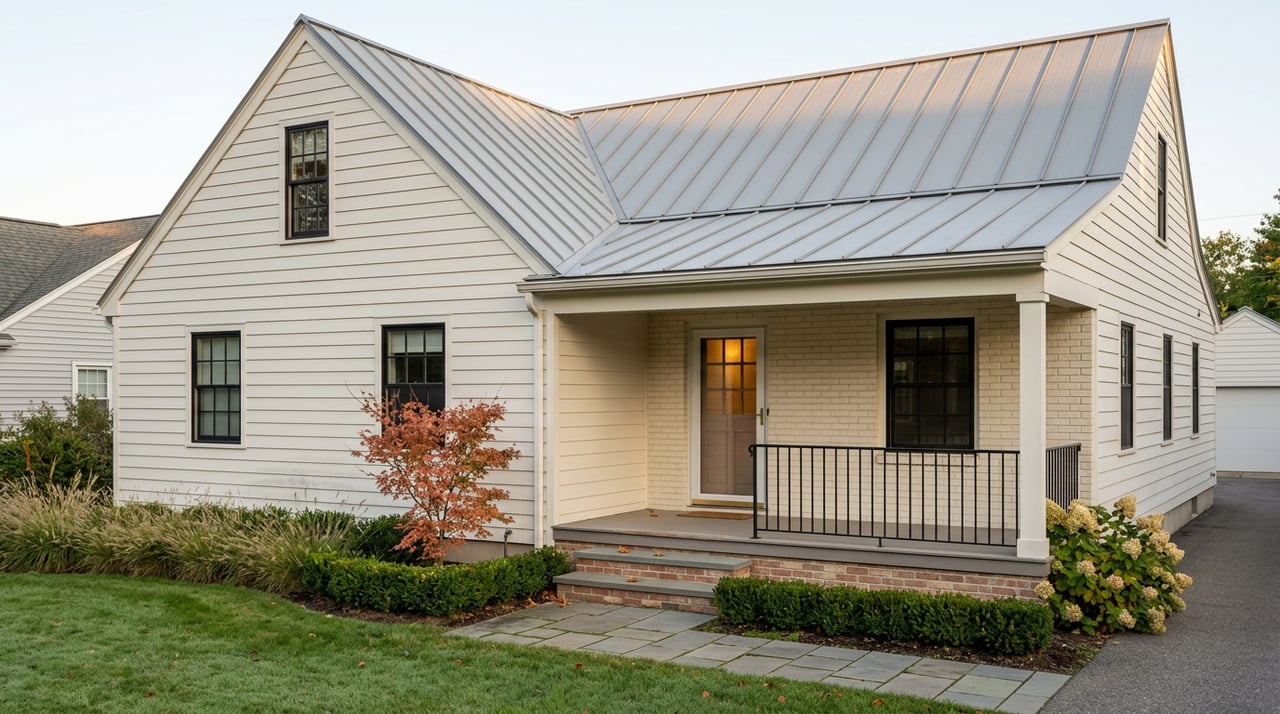
Fairfield’s housing stock lines up with its overall character. Census data shows 903 housing units, with 81% occupied housing, 89% owner-occupied units, and 88% single-unit structures. The median owner-occupied home value is $320,600.
For many buyers, that points to a market centered on detached homes rather than large apartment buildings or dense housing clusters. If you are looking for space, a larger lot, or a more private setting, Fairfield’s housing profile supports that kind of search.
Fairfield can be especially appealing if you want a quieter lifestyle with room to spread out. The combination of open land, low density, and mostly single-unit homes may appeal to buyers who prioritize privacy, scenery, or a more rural home base.
At the same time, low turnover means opportunities may not come up as often as they do in faster-moving markets. If Fairfield is on your list, it helps to be ready when the right property hits the market.
If you own a home in Fairfield, your property’s setting may be one of its biggest strengths. In a town shaped by agricultural land, open space, and low-density development, buyers may weigh lot character, privacy, views, and outdoor usability just as heavily as interior features.
That is where strong presentation matters. Clear pricing, thoughtful listing prep, and high-quality marketing can help buyers understand not just the house, but the lifestyle that comes with it.
Fairfield may be a strong match if you want:
It may be less ideal if you want a highly walkable commercial center or easy access to public transit. Fairfield offers a different kind of value, one rooted in space, routine, and a close connection to the land.
Fairfield offers a quieter Vermont lifestyle shaped by farmland, local gathering places, and strong community identity. It is the kind of town where open space is part of daily life, recreation is often close to home, and driving is simply part of the routine.
If that balance sounds right to you, Fairfield is worth serious consideration. And if you’re thinking about buying or selling in Franklin County, working with someone who understands how to position rural properties and local lifestyle value can make the process much smoother.
If you’re ready to explore Fairfield or want a clear plan for selling a home in the area, Sherry Corbeil can help you move forward with straightforward advice, responsive service, and local market insight.
Stay up to date on the latest real estate trends.
Get assistance in determining current property value, crafting a competitive offer, writing and negotiating a contract, and much more. Contact me today.

116 SWANTON RD SAINT ALBANS VT 05478