The Chester Arthur House in Fairfield Isn't Where Chester Arthur Was Born
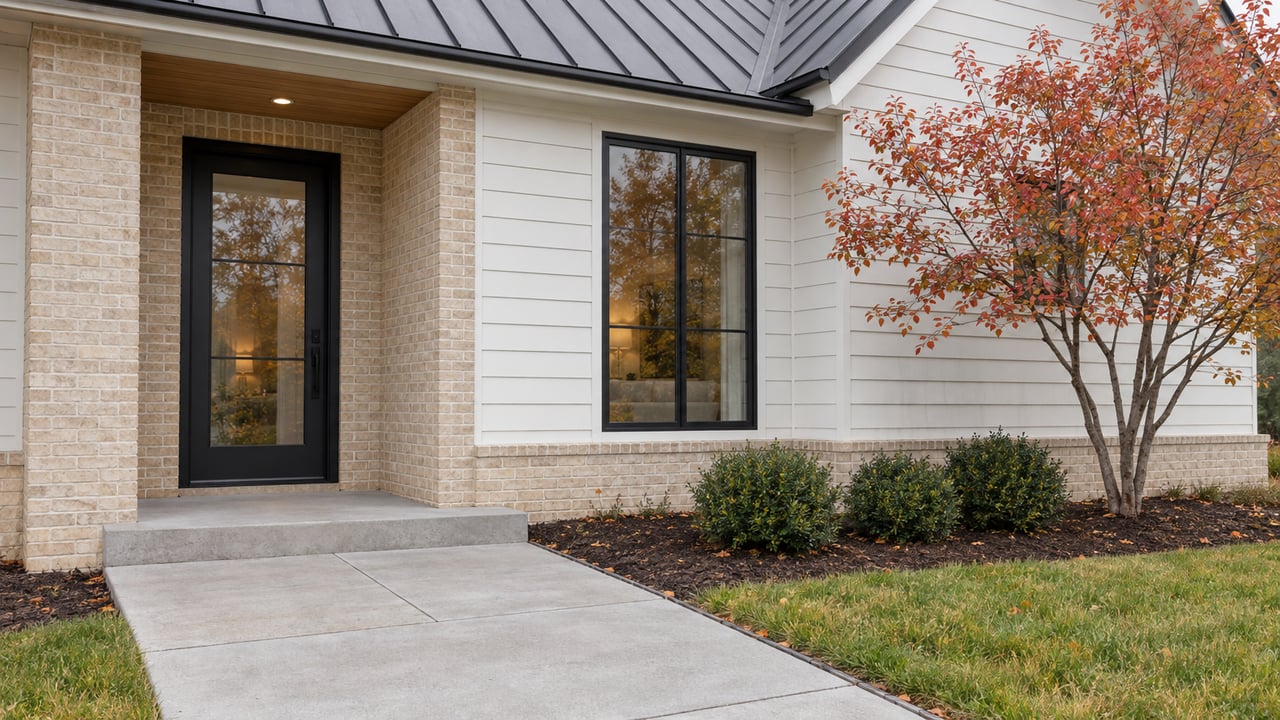
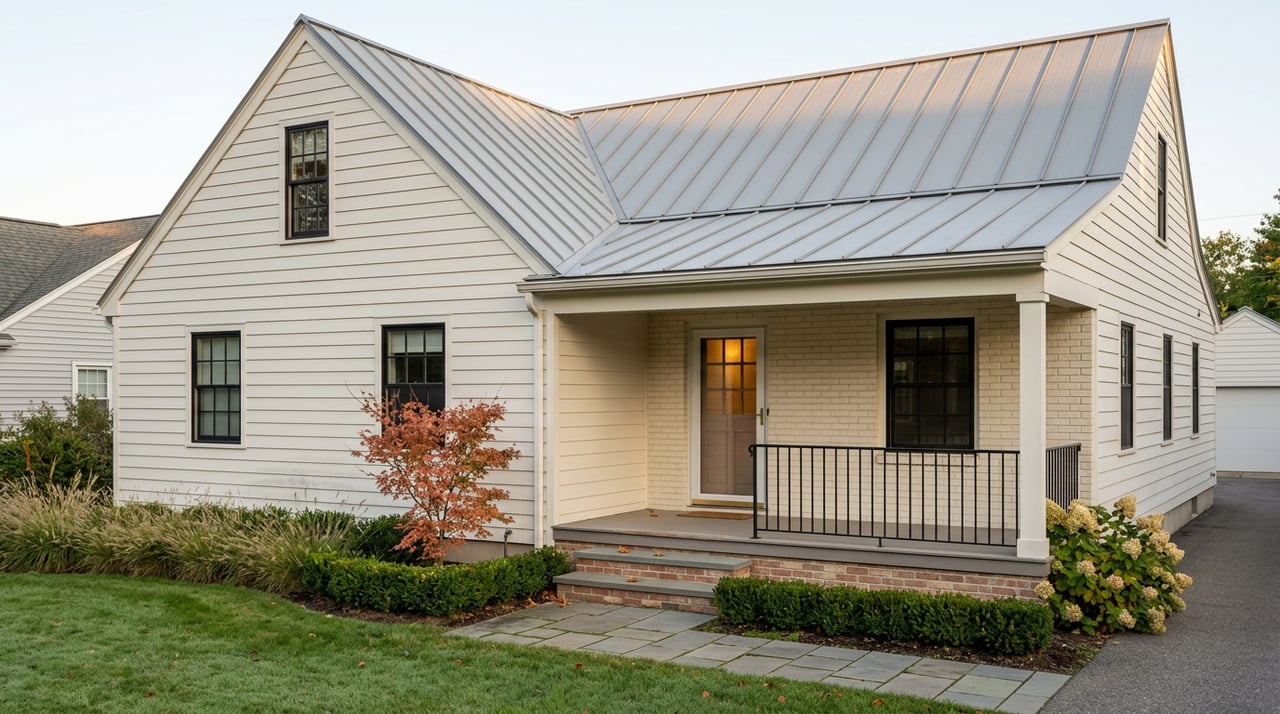
Drive north on Chester Arthur Road past the dairy farms and the split-rail fencing opens onto a white clapboard house with black shutters, standing behind a granite monument that has marked the spot since 1903. It looks exactly like what the road sign promises: the birthplace of the 21st President of the United States. Vermont's own historians will tell you that isn't quite right, and they've said so on the record for years.
The monument came first. In 1903, the state dedicated a granite marker on land granted by Peter Bent Brigham Northrop, and it became the first historic site the State of Vermont ever owned outright, years before Vermont had anything resembling an organized state park system. Fifty years later, in 1953, the state went further and reconstructed the house itself, using an old photograph as the only guide for what to build.
That photograph is the whole problem.
The President Chester A. Arthur State Historic Site now states plainly that the house rebuilt in 1953 was not Arthur's birthplace. The photograph the builders worked from depicted his family's second Vermont home, not the first. The true location of his birth has never been settled and remains, in the state's own words, passionately debated among historians.
Part of the confusion traces back to Arthur himself. During the 1880 campaign, when he ran as James Garfield's running mate, opponents accused him of being foreign-born and therefore ineligible for office. Arthur had reduced his stated birth year by one at some point in his life, and that single altered date has made it harder for researchers to pin down which house, in which year, actually saw his birth on October 5, 1829. The reconstructed home you can tour today is a faithful rebuild of a real Arthur family residence. It's just the wrong one.
Here's how the three pieces of the story line up against what's actually confirmed:
| Location | What's There | State's Current Position |
|---|---|---|
| Granite monument (1903) | Marker on land donated by Peter Bent Brigham Northrop | Birthplace claim remains unconfirmed |
| Reconstructed house (1953) | Rebuild based on an old photograph | Confirmed to be Arthur's second Vermont home, not his first |
| True birthplace | No marker exists | Location never conclusively identified |
About a mile northwest of the reconstructed house, on Duffy Hill Road, stands the North Fairfield Baptist Church. This is where William Arthur, Chester's father, was called to preach shortly before his son's birth. The current brick building dates to around 1840, replacing the earlier wooden structure Arthur's father actually preached in, and it sits on a ledgy knoll with a clear view across the Vermont mountain range.
The church was donated to the State of Vermont in 1970 through the efforts of Consuelo Northrop Bailey, and it has never been wired for electricity. It's still used today for memorial services and weddings, open to the public during the same hours as the historic site down the road. Fairfield's Town Hall keeps its own exhibit on Arthur as well, a smaller, quieter companion to the state's official site.
The house itself is only open for guided tours on weekends from July through mid-October, which means the 2026 season is down to its final stretch. The grounds and trails stay open to the public regardless of whether the house is staffed, which mattered this past August, when the site announced the house would be closed on two consecutive Saturdays, August 1 and August 8, because of staffing gaps. The land was still walkable both days. The house wasn't.
A few things worth knowing if you're planning a visit before the season closes:
Once the house closes for the season, the Town Hall exhibit becomes the only indoor way to see the Arthur story until next July.
What makes this worth knowing is that the uncertainty is sitting right there in the official site history, available to anyone who reads past the first paragraph: the house is real, the family connection is real, and the specific birthplace claim on the sign out front remains unconfirmed.
That's a small, honest kind of local history. Fairfield didn't get a tidy legend. It got a replica of a real house that happens to be the second one, a monument erected without a conclusive identification of the birthplace, and a church that still has no electricity a century and a half after it was built. Anyone who has lived here long enough to take the historic site for granted has been driving past a more complicated story than the granite marker lets on.
If you're looking at property near Fairfield's village center or out toward Duffy Hill and want a read on what a place like this actually offers day to day, not just what shows up on a listing sheet, Sherry Corbeil knows this stretch of Franklin County well enough to walk you through it, presidential footnotes included.
Stay up to date on the latest real estate trends.
Get assistance in determining current property value, crafting a competitive offer, writing and negotiating a contract, and much more. Contact me today.

116 SWANTON RD SAINT ALBANS VT 05478