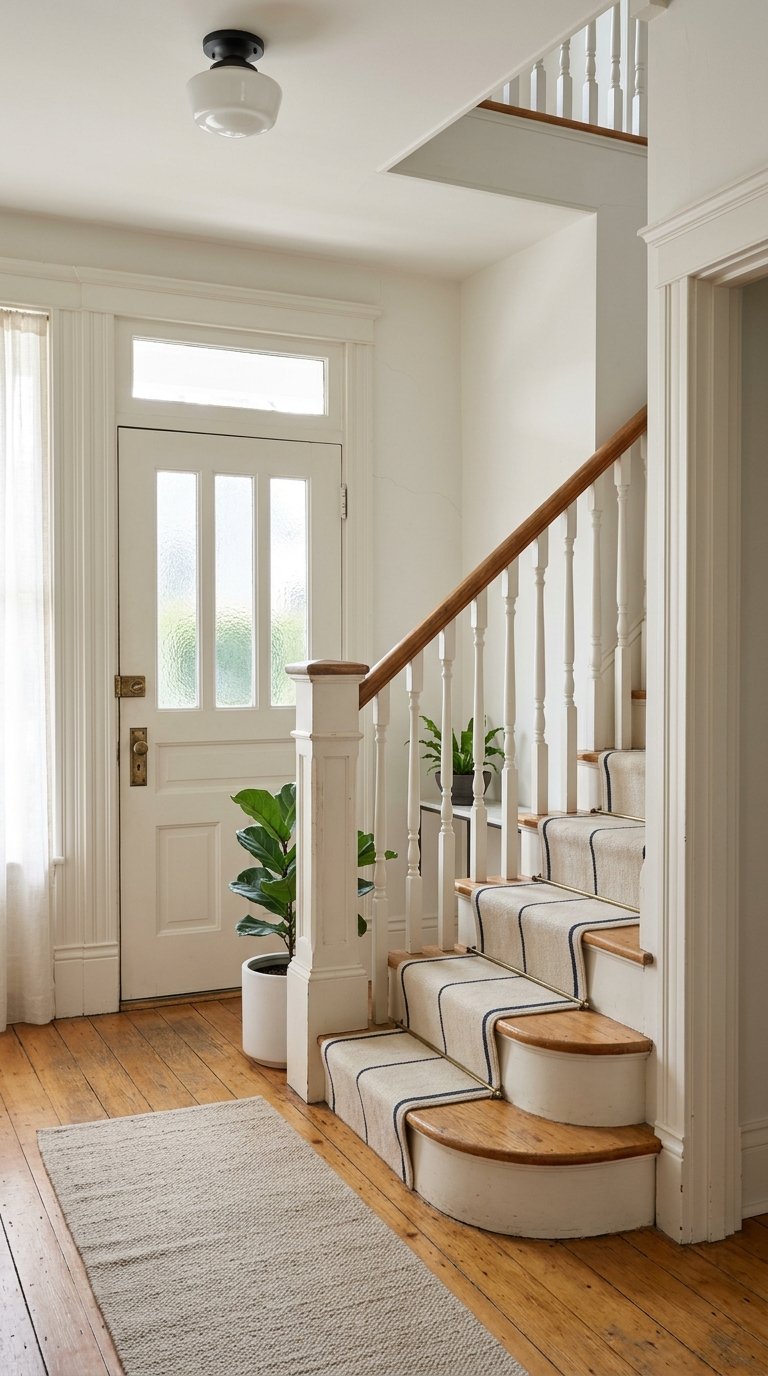
Buying A Historic Home In St Albans VT
Thinking about buying a historic home in St. Albans? You are not alone. Older homes near downtown can offer detail, craftsmanship, and character that newer properties often cannot match, but they also come with a different kind of homework. If you want to buy with confidence, it helps to know what gives these homes their appeal, what to inspect closely, and where local review may affect your plans. Let’s dive in.
St. Albans has a layered architectural story, especially around Taylor Park and the surrounding downtown streets. Updated National Register documentation describes the historic district as roughly 35 acres with 112 total resources and a period of significance from 1792 to 1967.
That long time span helps explain why historic homes here do not all look the same. You may see Greek Revival, Gothic Revival, Italianate, Second Empire, Queen Anne, Romanesque, Colonial Revival, Classical Revival, and even Mid-Century-Modern influences in the same broader area.
Materials vary just as much as style. Brick, stone, weatherboard, and slate all show up in the district, which means maintenance needs can differ a lot from one property to the next.
St. Albans was shaped by railroad-era growth and several major fires in the 1800s, especially in 1871, 1891, and 1895. Because of that, the downtown area often feels layered rather than uniform.
In practical terms, that means a home may reflect more than one building era, renovation phase, or repair approach. You might find an older core structure, later updates, and materials or design choices that came from rebuilding periods.
That is part of the charm, but it is also why careful due diligence matters. A historic home can be beautiful and livable, but you want to understand what is original, what has been altered, and what may need attention next.
When you buy an older home, the inspection should go beyond the usual checklist. Historic homes often need a closer look at how age, weather, and past repairs have affected the building.
A smart approach is to focus first on the systems and surfaces most likely to create expensive surprises. In St. Albans, a few areas deserve extra attention.
Moisture is one of the biggest threats to older buildings. Warning signs can include clogged gutters, cracked walls, spalled masonry, rotted wood, faulty roofs and gutters, condensation on windows or walls, and ice dams.
As you walk the property, pay close attention to the roof, flashing, gutters, downspouts, grading, foundation walls, and basement conditions. Evidence of long-term water intrusion can affect everything from structural stability to interior finishes.
Even a charming home with strong curb appeal can hide drainage problems. That is why it helps to look beyond cosmetics and understand how the house handles water from top to bottom.
Many St. Albans historic properties include brick or stone masonry. While masonry is durable, the mortar joints are often where deterioration starts.
During inspection, look for cracked or eroded mortar joints, damp walls, spalled brick or stone, and signs of past repairs that may have trapped moisture. Not all repair work helps an old house, especially if incompatible materials were used.
If masonry needs work, the goal is usually compatible repair rather than a quick modern patch. That matters for both the building’s condition and your future budget.
Original windows are often one of the most debated features in a historic home. It is easy to assume they must be replaced, but that is not always true.
Guidance for historic buildings generally favors repair first, with replacement considered only when deterioration is severe. In many cases, energy performance can be improved with storm windows, weatherstripping, glazing, or sash work.
For you as a buyer, that means window condition should be evaluated window by window. A house with original windows is not automatically a bad investment, but it does deserve a realistic maintenance plan.
Roof age and repair history matter in any home, but they are especially important in historic properties. If the house has a slate roof, that can be a major asset.
Properly installed slate can last 60 to 125 years or longer, and repair is often preferred over full replacement when possible. Still, you will want to know the roof’s age, repair record, and whether a qualified professional has maintained it.
A beautiful roofline can be one of a historic home’s defining features. It can also be one of the most important cost items in your purchase decision.
If the home was built before 1978, lead-based paint is a real consideration. Lead dust is commonly found on windows, doors, floors, porches, stairways, and cabinets when older paint is disturbed.
That does not mean you should avoid older homes. It does mean testing and renovation planning should happen early, especially if you expect to refinish surfaces, replace windows, or do repair work soon after closing.
Renovation, repair, or painting that disturbs lead paint in pre-1978 homes must be done by certified firms using lead-safe practices. For buyers, contractor selection is just as important as the inspection itself.
Many buyers want an older home to feel more efficient and comfortable right away. That is a reasonable goal, but historic homes often respond best to targeted upgrades rather than aggressive wall-system changes.
A safer starting point is usually the attic and basement. Insulation and air sealing in those areas can improve comfort while reducing the risk of trapping moisture inside older wall assemblies.
If you are planning bigger energy updates, it helps to understand how the house was built before making major changes. In older homes, the wrong insulation strategy can create hidden problems over time.
Buying a historic home often means adjusting how you think about renovation. The general preservation approach is to repair what is sound, document what is deteriorated, and replace features only when repair is not reasonable.
When replacement is necessary, matching the old feature in design, color, texture, and when possible materials is often the preferred path. This mindset can help you preserve character while making thoughtful updates.
That does not mean a historic home must stay frozen in time. It means your best results usually come from respecting what is already there and improving it carefully.
Before you make exterior changes, confirm whether the property is in an area with local design review. In St. Albans, the Design Advisory Board reviews projects in the Design Review Districts and advises the Zoning Administrator and Development Review Board.
The city’s land development regulations apply to new construction, reconstruction, enlargement, exterior alterations, changes to outward appearance including color or siding, and demolition within the Design Review overlay districts. The St. Albans Historic District is not a stand-alone zoning district, but it does carry special design standards and restrictions intended to preserve the historic urban center.
This matters if you are thinking about changing windows, siding, trim, paint color, or other visible exterior elements. Asking early can save you time, money, and frustration later.
Some buyers assume any historic property renovation will qualify for state incentives. In St. Albans, that is not always the case.
The city has Downtown Designation through the Vermont Downtown Program, and some state preservation incentives depend on being in a designated downtown or village center. However, Vermont’s 2026 Downtown and Village Center tax-credit guidelines say eligible buildings must be at least 30 years old, must be in a state-designated downtown or village center, and personal residences are not eligible.
For a typical owner-occupied historic house, you should not assume the state historic rehab credit applies. In some cases, rental or mixed-use projects may fit different rules, so it is important to verify the property’s use and eligibility before building that into your budget.
For larger or publicly reviewed projects, additional state-level review may come into play. Buildings over 50 years old or projects disturbing archaeologically sensitive areas may require review by the Vermont Division for Historic Preservation.
The state uses the CHAMP system as its online project-review portal for consultation on historic buildings, districts, landscapes, and archaeological resources. If your project is more involved than routine maintenance, this is worth understanding before work begins.
For most buyers, the key takeaway is simple: know the review path before you commit to major changes. That can help you build a more realistic timeline and budget.
If you are serious about buying a historic home in St. Albans, keep this short checklist in mind:
Historic homes can be deeply rewarding to own, but they ask more of you during the buying process. The right property can offer lasting character, strong downtown presence, and details that are hard to recreate today.
What makes the difference is good preparation. When you understand the home’s condition, likely maintenance needs, and any local review requirements, you are in a much better position to make a smart move.
If you are exploring older homes in St. Albans or anywhere in Franklin County, working with a local agent who understands the market and the questions to ask can make the process much smoother. When you are ready for straightforward advice and hands-on support, connect with Sherry Corbeil.
Stay up to date on the latest real estate trends.
Get assistance in determining current property value, crafting a competitive offer, writing and negotiating a contract, and much more. Contact me today.

116 SWANTON RD SAINT ALBANS VT 05478